Modern POS Systems for Restaurants & Retail: Features, Costs, and What to Look For in 2026
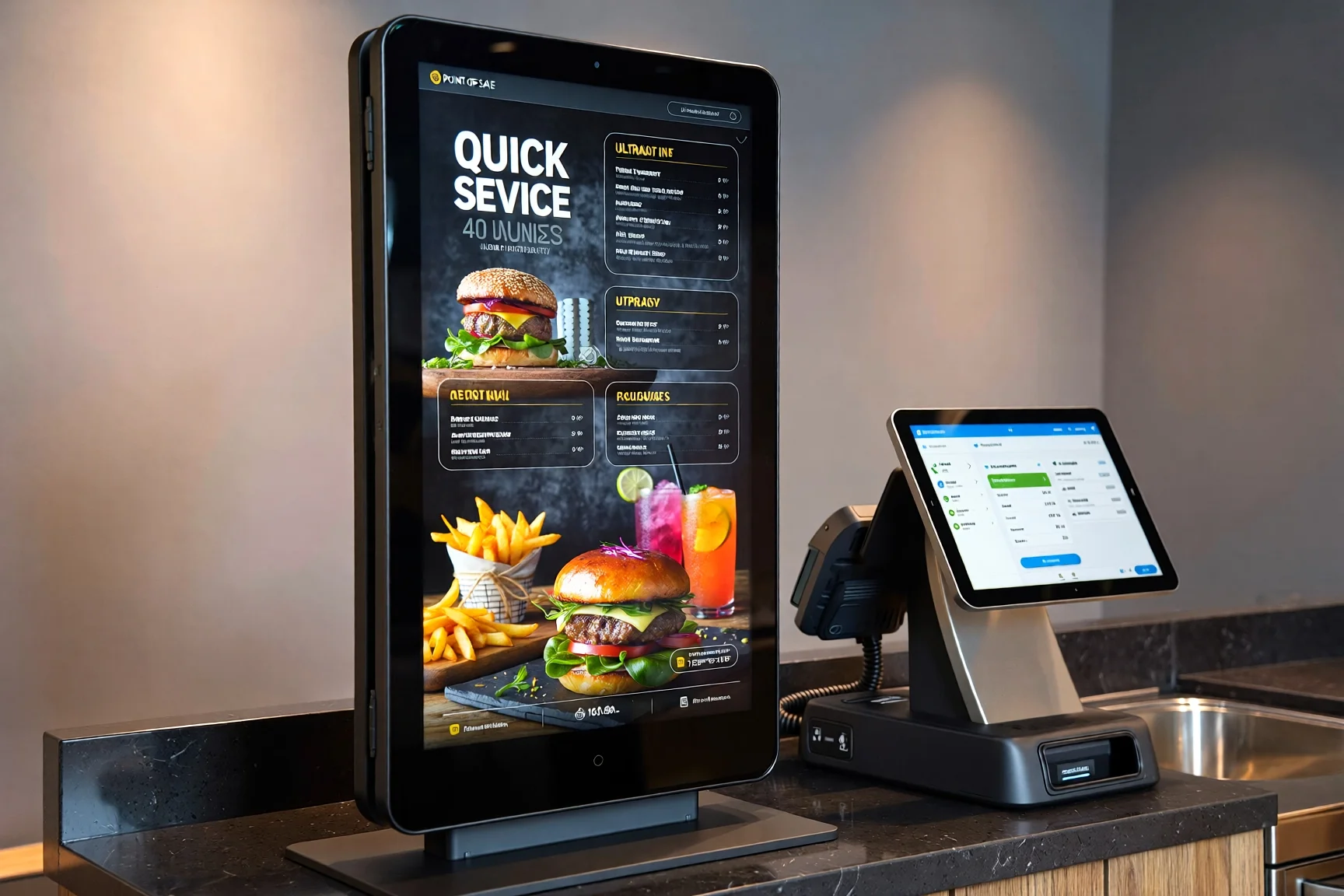
Your Point of Sale (POS) system is the heartbeat of your business operations. In 2026, modern POS systems do far more than process payments — they manage inventory, track customer behavior, generate reports, and integrate with your entire tech stack. Choosing the right one can make or break your business efficiency.
What Makes a Modern POS System Different?
Gone are the days of clunky cash registers and basic card readers. Today’s POS systems are cloud-based, AI-enhanced platforms that serve as the central nervous system of your business. Here’s what sets modern systems apart:
- Cloud-Based Access: Monitor sales, inventory, and staff performance from anywhere on any device
- AI-Powered Analytics: Get predictive insights on sales trends, peak hours, and inventory needs
- Seamless Integrations: Connect with accounting software, loyalty programs, delivery platforms, and marketing tools
- Contactless Everything: Support for NFC, QR codes, mobile wallets, and tap-to-pay
Essential POS Features for Restaurants
Order Management
Look for systems that support table-side ordering with tablets, kitchen display systems (KDS), order modification tracking, and split-check functionality. The best restaurant POS systems reduce order errors by up to 80%.
Menu Management
Your POS should make it easy to update menus in real-time, manage modifiers and special requests, track 86’d items, and push updates to online ordering platforms simultaneously.
Delivery & Online Ordering Integration
With delivery accounting for 30%+ of restaurant revenue, your POS must integrate seamlessly with platforms like DoorDash, Uber Eats, and your own online ordering system.
Essential POS Features for Retail
Inventory Management
Advanced inventory tracking with automatic reorder points, barcode/QR scanning, multi-location management, and real-time stock visibility across all channels.
Customer Relationship Management
Built-in CRM features that track purchase history, manage loyalty programs, segment customers for targeted marketing, and provide personalized recommendations.
E-Commerce Integration
Unified commerce that syncs your in-store and online inventory, pricing, and customer data for a seamless omnichannel experience.
POS System Pricing: What to Expect
POS pricing varies widely based on features and scale:
- Basic Systems: $500 – $1,000 upfront + $50–$100/month for software
- Mid-Range Systems: $1,000 – $3,000 upfront + $100–$250/month
- Enterprise Systems: $3,000+ upfront + $250–$500+/month
Payment processing fees typically range from 2.2% to 3.5% per transaction, depending on the provider and volume.
Top Mistakes to Avoid When Choosing a POS
- Choosing Based on Price Alone: The cheapest system often costs more in the long run due to limitations, downtime, and poor support.
- Ignoring Scalability: Your POS should grow with your business. Choose a system that can handle multiple locations and increasing transaction volumes.
- Overlooking Support: 24/7 support is essential — POS issues during peak hours can cost you thousands in lost sales.
- Skipping Staff Training: Even the best POS system fails if your team can’t use it effectively.
Why Custom POS Solutions Win
While off-the-shelf POS systems work for many businesses, custom-configured solutions offer distinct advantages: tailored workflows, specific integrations, branded customer experiences, and features designed around your exact business model.
Need help choosing or setting up the perfect POS system for your business? Creative Kings Productions specializes in POS consultation, setup, and integration. Contact us for a free assessment of your current system and recommendations for optimization.
Ready to Transform Your Business?
Get a free consultation and see how our AI solutions can help you grow.
Get Your Free Consultation